
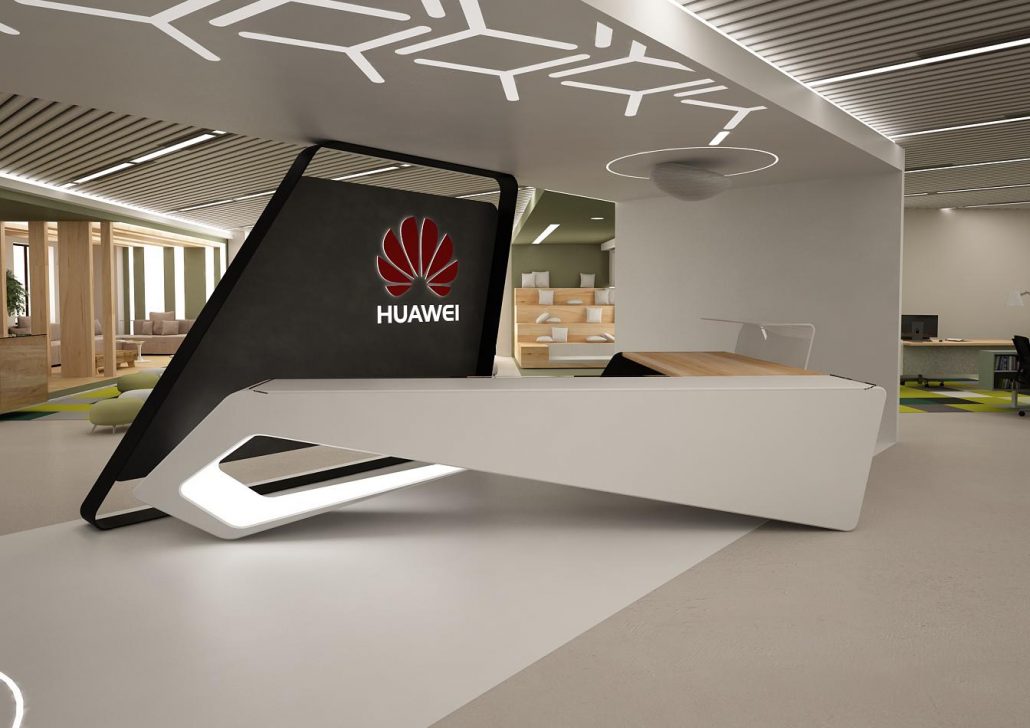
Latest Office Interior Design Trends: Stay Updated with the Future of Workplace Design
As companies redefine work environments to meet evolving employee needs and corporate goals, workplace design has become a powerful tool to foster productivity, creativity, and a sense of community. Today’s office interiors aren’t just about aesthetic appeal—they reflect a company’s values, enhance employee experience, and adapt to the flexible demands of the modern workforce. This article delves into the latest trends in workplace design, exploring how these innovations can transform traditional office spaces into engaging, functional environments that support collaboration, wellness, and sustainability.
Why Workplace Design Matters
The design of a workspace profoundly impacts employee satisfaction, well-being, and productivity. A well-thought-out workplace design can help reduce stress, foster collaboration, and even promote mental and physical health. Companies that invest in modern office design find that their employees feel more connected and engaged, which leads to increased creativity and improved job performance.
Key Benefits of Effective Workplace Design
- Enhanced Productivity: Comfortable and inspiring spaces help employees stay focused and motivated.
- Improved Employee Well-Being: Thoughtful design encourages movement, reduces stress, and supports mental health.
- Better Collaboration: Well-planned layouts facilitate interaction and teamwork, which is essential for innovation.
- Stronger Company Culture: A workspace that reflects company values helps employees feel connected to their organisation’s mission.
Latest Office Interior Design Trends
Today’s modern office design trends emphasise flexibility, sustainability, technology integration, and employee-centric spaces. Let’s explore some of the most popular trends in workplace design and how they can benefit both employees and businesses.
Flexible and Hybrid Workspaces
With hybrid work models becoming more common, companies are designing spaces that accommodate both in-office and remote workers. Flexible workspaces offer a mix of private offices, open collaboration areas, and quiet zones, allowing employees to choose a setting that fits their needs for the day.
Key Elements:
- Hot Desking: Desks are not assigned to specific employees, allowing people to choose where they work each day.
- Modular Furniture: Movable furniture can be reconfigured for different purposes, from group meetings to solo work.
- Collaborative Zones: Spaces designed for impromptu meetings and team collaboration help create a dynamic, adaptable workspace.
Biophilic Design
Biophilic design incorporates natural elements into the workplace, helping reduce stress and improve air quality. This trend goes beyond adding a few plants; it involves integrating nature through materials, lighting, and colour schemes that mimic natural environments.
Key Elements:
- Natural Light: Maximising sunlight exposure improves mood and reduces reliance on artificial lighting.
- Green Walls and Plants: Indoor plants and green walls enhance aesthetics and purify the air.
- Nature-Inspired Textures and Colours: Materials like wood, stone, and neutral colours bring a calming, organic feel to the office.
Wellness-Centric Spaces
Workplace wellness has become a priority, and office designs are evolving to support physical and mental well-being. From dedicated relaxation zones to ergonomic furniture, wellness-centric spaces help employees feel comfortable and motivated.
Key Elements:
- Quiet Rooms: Designed for breaks, meditation, or focused work, these rooms provide a peaceful escape from the busier areas of the office.
- Ergonomic Furniture: Adjustable desks, supportive chairs, and furniture encouraging movement help prevent physical strain.
- On-Site Fitness Areas: Some companies are adding gyms or fitness zones to promote health and work-life balance.
Technology-Driven Spaces
Today’s workplaces need to accommodate advanced technology that supports productivity and connectivity. Integrated tech solutions are essential for hybrid work environments, where employees and teams rely on seamless collaboration tools.
Key Elements:
- Video Conferencing Hubs: Designated areas for virtual meetings ensure a high-quality experience for remote participants.
- Wireless Charging and Power Integration: Easily accessible charging stations for laptops, phones, and other devices keep employees connected and productive.
- Smart Lighting and Climate Control: Systems that automatically adjust based on time of day or occupancy enhance comfort and reduce energy consumption.
Sustainability in Design
Sustainability has moved to the forefront of workplace design, with companies focusing on reducing environmental impact. This trend reflects corporate responsibility and appeals to eco-conscious employees.
Key Elements:
- Eco-Friendly Materials: Recycled and sustainable materials like reclaimed wood, bamboo, and low-VOC paints are widely used.
- Energy-Efficient Lighting: LED lighting and motion sensors help reduce energy consumption.
- Waste Reduction Systems: Recycling stations, compost bins, and refillable water stations encourage responsible habits.
Home-Like Comfort
The line between home and office design is blurring, with many companies adding elements that make the workplace feel more welcoming and comfortable. This trend aims to make employees feel at ease, improving job satisfaction and productivity.
Key Elements:
- Lounge Areas: Sofas, armchairs, and soft lighting make break areas feel more inviting.
- Coffee Stations and Kitchens: Full kitchens and café-like areas provide a space for relaxation and social interaction.
- Decorative Touches: Carpets, artwork, and accent furniture create a warm, personalised atmosphere.
Focus on Acoustics
As open-plan offices remain popular, companies are looking for solutions to control noise and enhance acoustics. Poor sound quality and excessive noise can be distracting and affect productivity and well-being.
Key Elements:
- Acoustic Panels: These can be added to walls, ceilings, or floors to absorb sound and reduce noise.
- Soundproofing Zones: Creating quiet rooms or zones for focused work helps employees avoid distractions.
- Noise-Cancelling Technology: Some companies provide noise-cancelling devices in open workspaces to help employees concentrate.
Designing for a Post-Pandemic Workplace
The COVID-19 pandemic has accelerated many changes in workplace design. The emphasis now is on creating flexible, safe, and employee-centred spaces. Hygiene measures are being built into office designs, with touchless technology, enhanced ventilation, and redesigned layouts to support social distancing.
Key Post-Pandemic Design Considerations
- Touchless Technology: Automatic doors, sensor-based lights, and hands-free devices help maintain hygiene.
- Enhanced Air Quality Systems: Improved HVAC (heating, ventilation, and air conditioning) systems and air purifiers ensure a healthier indoor environment.
- Flexible Layouts: Movable furniture and modular spaces make it easier to adapt layouts as health guidelines evolve.
Frequently Asked Questions (FAQs) about Workplace Design
Why is workplace design important for employee productivity?
Effective workplace design enhances productivity by creating comfortable, organised, inspiring spaces where employees feel motivated. Features like ergonomic furniture, natural light, and flexible work zones contribute to job satisfaction, focus, and efficiency.
What is biophilic design, and why is it popular in office spaces?
Biophilic design integrates natural elements like plants, sunlight, and natural materials into the office to create a calming environment that reduces stress, enhances creativity, and promotes well-being. It’s popular because it helps improve air quality and creates a more pleasant workspace.
How does technology influence modern workplace design?
Technology enables a more connected, efficient workplace. From video conferencing hubs to wireless charging and smart lighting, technology-driven design supports hybrid work, improves productivity, and facilitates seamless communication.
What are hybrid workspaces, and how do they differ from traditional office layouts?
Hybrid workspaces are designed to support a mix of in-office and remote work. They offer flexible seating, collaborative zones, and quiet areas, allowing employees to choose where they work based on their tasks. Unlike traditional layouts, they prioritise flexibility and adaptability.
What are the best practices for sustainable workplace design?
Sustainable workplace design reduces environmental impact by using eco-friendly materials, energy-efficient lighting, and waste-reduction practices. Examples include using recycled materials, implementing energy-saving lighting, and providing recycling stations to promote responsible habits.
How can companies improve acoustics in open-plan offices?
Companies can improve acoustics by using acoustic panels, soundproofing materials, and quiet zones. Additionally, carpets, plants, and partitions can help absorb sound, while noise-cancelling technology provides individual solutions for employees.
How has the COVID-19 pandemic impacted workplace design?
The pandemic has led to a focus on hygiene, safety, and flexibility in workplace design. Many offices now feature touchless technology, improved air ventilation, flexible layouts, and increased space between workstations to promote a safe, adaptable environment.
How can workplace design reflect a company’s culture?
Workplace design can reflect a company’s culture through elements like branding colours, open or collaborative spaces for teamwork, private areas for focused work, and unique decor that reflects the organisation’s values, mission, and personality.
Contact Oracle 3D for Details
As companies adapt to changing work environments, workplace design has evolved to prioritise flexibility, wellness, sustainability, and comfort. The latest trends in workplace design show that a thoughtfully designed office can foster productivity, enhance well-being, and reflect a company’s identity. Whether you’re redesigning your workspace or moving to a new office, these design trends can help you create a space that not only meets the needs of your team but also inspires them to do their best work every day.
Ready to relook your office’s workplace design? Contact us today, and let us help you create environments that reflect your brand and captivate your audience.


Leave a Reply
Want to join the discussion?Feel free to contribute!