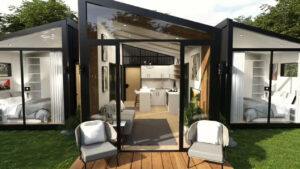
Achieve Perfect Visuals with 3D Interior Rendering: Discover the Benefits of Flawless Visualisation
Today, many designers, architects, and real estate professionals are turning to 3D interior rendering to create realistic, stunning visuals that convey their ideas with unmatched clarity and detail. This advanced technology allows for detailed, photorealistic representations of spaces, enabling clients and stakeholders to fully envision the end result before construction even begins. This guide dives into the benefits of 3D interior rendering, explores the technology behind it, and discovers why it has become an essential tool in the design and real estate industries.
What is 3D Interior Rendering?
3D interior rendering is the process of creating a lifelike digital representation of an interior space using specialised software. It involves building three-dimensional models of the interiors, including elements like furniture, lighting, textures, and materials, to simulate a real-world view of the designed space. This allows clients to “walk through” a space, visualising colour schemes, layouts, and furniture placements with a level of realism that flat drawings or sketches cannot achieve.
Here’s a breakdown of its key aspects.
Visualisation of Interior Spaces
Realistic Representation: 3D interior rendering allows designers to create photorealistic images of rooms and spaces. It enables clients and stakeholders to visualise how the final design will look, with precise details such as colour schemes, furniture, lighting, materials, and layout.
Exploring Ideas in 3D: Designers can experiment with various design elements (furniture, colours, decor) and spatial arrangements. By adjusting elements in 3D, they can quickly see how different configurations would impact the overall feel and function of the space.
Enhanced Accuracy and Detail
- Dimensions and Proportions: 3D rendering offers accurate dimensions, ensuring all items in the space are to scale. This precision helps clients understand the proportions of furniture and other elements within the room, minimising misinterpretation.
- Materials and Textures: 3D renderings simulate a variety of materials, such as wood, metal, glass, and textiles, along with their textures and finishes. This allows clients to appreciate the subtleties of each material’s appearance and how it interacts with lighting and colour.
Simulation of Lighting
- Natural and Artificial Light: Lighting is a key component in 3D rendering, as it affects a room’s atmosphere. Renderers can simulate both natural light (sunlight) at different times of the day and artificial lighting, such as chandeliers, lamps, or recessed lighting.
- Shadows and Reflections: By accurately rendering shadows and reflections, 3D interior renderings offer a more immersive view of the space, enhancing the realism of the image and allowing designers to make better lighting choices.
Increased Flexibility for Design Changes
- Quick Adjustments: Changes in design, colour, materials, or furniture placement can be quickly adjusted in 3D renderings without the time and cost associated with physical modifications.
- Multiple Versions: Designers can create various versions of a space, showcasing alternative styles, colours, or layouts. This flexibility is beneficial for clients exploring multiple design options before making final decisions.
Cost-Effective Planning Tool
- Reducing Miscommunication: Renderings clarify the designer’s vision, reducing misunderstandings that often arise from traditional drawings or descriptions. Clients can confirm if the design aligns with their expectations before actual work begins.
- Saving on Revisions: By visualising the design early on, 3D rendering helps identify potential issues and reduces the likelihood of costly design revisions during construction or renovation.
Applications in Various Industries
- Architecture and Interior Design: Used by architects and interior designers to present proposed designs to clients, developers, and other stakeholders.
- Real Estate Marketing: Real estate agents and developers use 3D renderings to showcase properties under construction or renovation, helping potential buyers visualize the final look.
- Furniture and Decor Brands: Many furniture and decor brands use 3D rendering to showcase how their products would look in a realistic setting, aiding online shopping experiences.
The Benefits of 3D Interior Rendering
3D interior rendering has transformed the design process in numerous ways, providing several valuable benefits that make it an invaluable tool for professionals across various fields.
- Realistic Visualisation: With 3D interior rendering, clients can see exactly how a space will look before any physical changes are made. The realism achieved through high-quality rendering software gives clients confidence in design choices, as they can see how materials, colours, and layouts will look in the completed space.
- Enhanced Communication and Clarity: Communicating a vision in interior design can be challenging. Rendered visuals bridge this gap, allowing designers to communicate intricate details clearly to clients, contractors, and stakeholders. By showing a 3D model, everyone involved can understand the project’s scope, timeline, and expected outcome.
- Cost-Effective Decision Making: 3D rendering allows for a “test run” of different design options without any physical commitment. This prevents costly mistakes and reworks, as clients can experiment with colours, materials, and layouts digitally. Changes can be made to the design at the rendering stage, saving both time and resources.
- Flexibility and Customisation: One of the most valuable aspects of 3D interior rendering is its adaptability. Designers can quickly change various elements (like lighting, furniture placement, or wall colours) and immediately show clients different options. This flexibility encourages client input and allows for customization that would be far more challenging in traditional design presentations.
- Marketing and Presentation Tool: 3D interior rendering is a powerful marketing tool for real estate agents and developers. High-quality renders can be used in presentations, brochures, websites, and social media to attract prospective buyers and investors. By showcasing properties in their best light, real estate professionals can captivate audiences and demonstrate a space’s full potential.
- Greater Precision in Planning: 3D interior rendering ensures accurate measurements, spacing, and scaling of elements within a design. This precision enables architects and designers to see how each element fits within the space, identify potential problems early, and ensure that the final build matches the vision.
Industries That Benefit from 3D Interior Rendering
While 3D interior rendering has applications in many fields, some industries have found it particularly beneficial:
- Interior Design: Designers use 3D rendering to experiment with different looks and styles, providing clients with a realistic preview.
- Real Estate: Real estate agents and developers rely on 3D renders to showcase properties to potential buyers, even if the space is not physically complete.
- Architecture: Architects use 3D rendering to visualise interior spaces within larger projects, helping to refine designs and achieve more cohesive final results.
- Furniture and Home Decor Brands: Retailers use 3D rendering to showcase products in various environments, allowing customers to envision items within different spaces.
Frequently Asked Questions (FAQs) about 3D Interior Rendering
What is 3D interior rendering used for?
3D interior rendering creates realistic digital models of interior spaces. Designers, architects, and real estate professionals use it to visualise, present, and refine design concepts. It helps clients see what a space will look like before any physical work is done, making it easier to make design decisions.
What’s the difference between 3D rendering and 3D modelling?
3D modelling is the process of creating a digital representation of an object or space’s shape and structure, whereas 3D rendering adds lighting, textures, colours, and other effects to create a lifelike image of that model.
How much does 3D interior rendering typically cost?
The cost of 3D interior rendering depends on factors like project complexity, level of detail, and customisation needs. It’s best to request a quote based on your specific project requirements.
Can 3D interior rendering be used for renovations?
Yes, 3D rendering is excellent for renovations. It allows homeowners to visualise changes in layout, materials, and colour schemes before beginning construction. This can help ensure that renovations meet expectations and reduce the likelihood of costly adjustments.
What types of software are used in 3D interior rendering?
Popular 3D rendering software includes 3ds Max, SketchUp, V-Ray, Blender, and Revit. Each has unique features for modelling, lighting, and texturing, and the choice of software often depends on the project’s complexity and the designer’s preferences.
How long does it take to create a 3D interior render?
The time required for a 3D render varies depending on the level of detail, project scope, and the designer’s experience. Simple projects might take a few days, while highly detailed or customised renders can take several weeks. Discussing timelines with Oracle 3D is essential for setting realistic expectations.
Can 3D renders be interactive?
Yes, some advanced 3D renders can be made interactive, allowing clients to explore a virtual space, change perspectives, and even adjust lighting or textures. This is known as a 3D walkthrough or virtual tour and is particularly popular in real estate and architectural presentations.
Is 3D rendering environmentally friendly?
Yes, 3D rendering can reduce waste and environmental impact by minimising the need for physical prototypes or materials. It allows designers to make accurate plans and selections before any materials are purchased or cut, reducing overall waste in the design process.
Contact Oracle 3D for Details
3D interior rendering has revolutionised the design and real estate industries by offering an unparalleled view into what a space will look like before construction or renovation begins. Whether you’re an interior designer presenting a concept, a real estate professional showcasing a property, or an architect refining a project, 3D rendering provides the tools to visualise, adjust, and perfect every detail. With its ability to enhance communication, streamline decision-making, and reduce costs, 3D interior rendering is an invaluable asset that helps transform ideas into reality.
Ready to create your space with 3D interior rendering? Contact us today, and let us help you set up environments that reflect your brand and captivate your audience.